




Kevin Prince has wide experience of farming and rural business in Hampshire, where he lives near Andover, and across southern England as a divisional partner of Brown & Co.
Twelve months ago in this blog, I wrote that harvest 2025 would be remembered unequivocally as one of the earliest in many years.
Well, for many farmers, harvest 2026 came even earlier.
There are reports of some farmers and contractors even being caught out on holidays, (some take a few days away in June to recharge batteries prior to the headlong rush of harvest) and either having to cancel family breaks or return early to get a combine rolling.
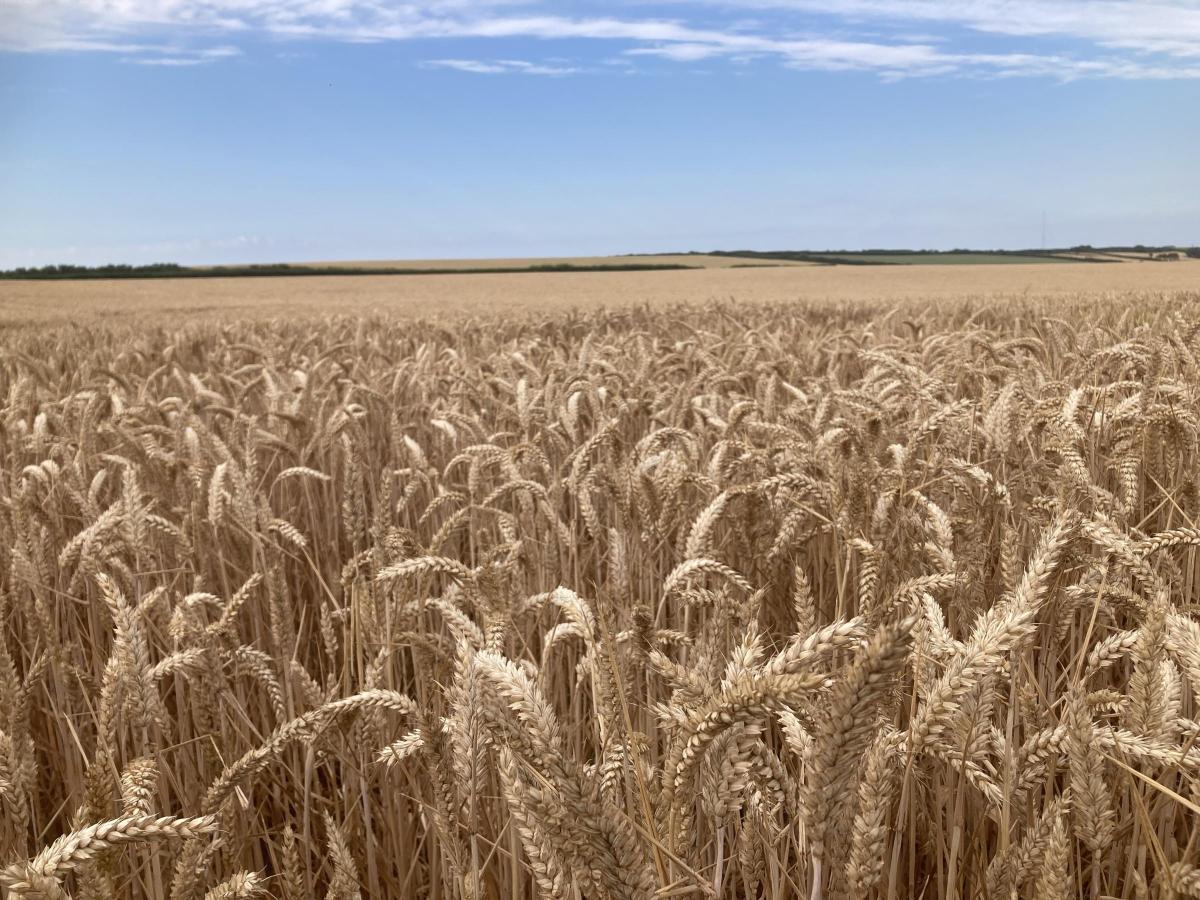
Some crops have been too dry to harvest during the day, and so a significant part of this year’s harvest will have been combined overnight, and if the dry period continues, then many producers will be done and dusted by the middle of August.
This contrasts with a wet harvest season when combines harvest well into the latter half of September, when crops are snatched during dry periods between downpours.
The earliness of this harvest has been caused by the consecutive heatwaves and long hours of sunshine.
However, the lack of rain over the last few months has taken a toll on both quality and crop yield.
Early reports are suggesting that UK winter barley yields will be somewhere between 10 per cent and 20 per cent less than average, and quality will also be considerably less than in a normal year.
Of course, not only does the above vary by region and county, but increasingly even by farm and field.
I know of one farmer whose main holding has received only marginally less rainfall over the last six months than they would consider "normal," but they have one field which has not received a drop of rain in four weeks.
In contrast, producers on "heavier" land, which retains moisture better, are reporting average yields and, in some cases, excellent quality.
At the moment, the lack of quantity of crop is not having very little impact upon price since we are now in a world market.
Reports are emerging that the French harvest will also be much smaller than predicted, and if this is replicated in other parts of Europe, then there is some hope that the grain price will slowly start to move upwards.
Additionally, in the same way that the exceptionally hot and dry weather has affected the UK harvest, some weather forecasters are predicting that El Niño may have a more significant effect than normal on the southern hemisphere, which will limit world supplies and help firm the grain price.
This crumb of comfort is badly needed by UK farmers.
This year, every arable farmer has seen input costs rise significantly whilst watching their predicted income dwindle as each week goes by.
An equally concerning outcome of extreme weather is the increased fire risk to both standing crops and harvested hay and straw.
A carelessly discarded cigarette, a spark from a flint or an unattended, still-smouldering barbecue (especially the "wild camping" disposable type) can have a catastrophic result, with hundreds of thousands of pounds' worth of machinery and crops potentially destroyed and lives potentially put at risk.
If you are out in the countryside enjoying the warm weather, please do have the above in mind and be extra careful this summer with any potential sources of ignition.


Share